News Desk
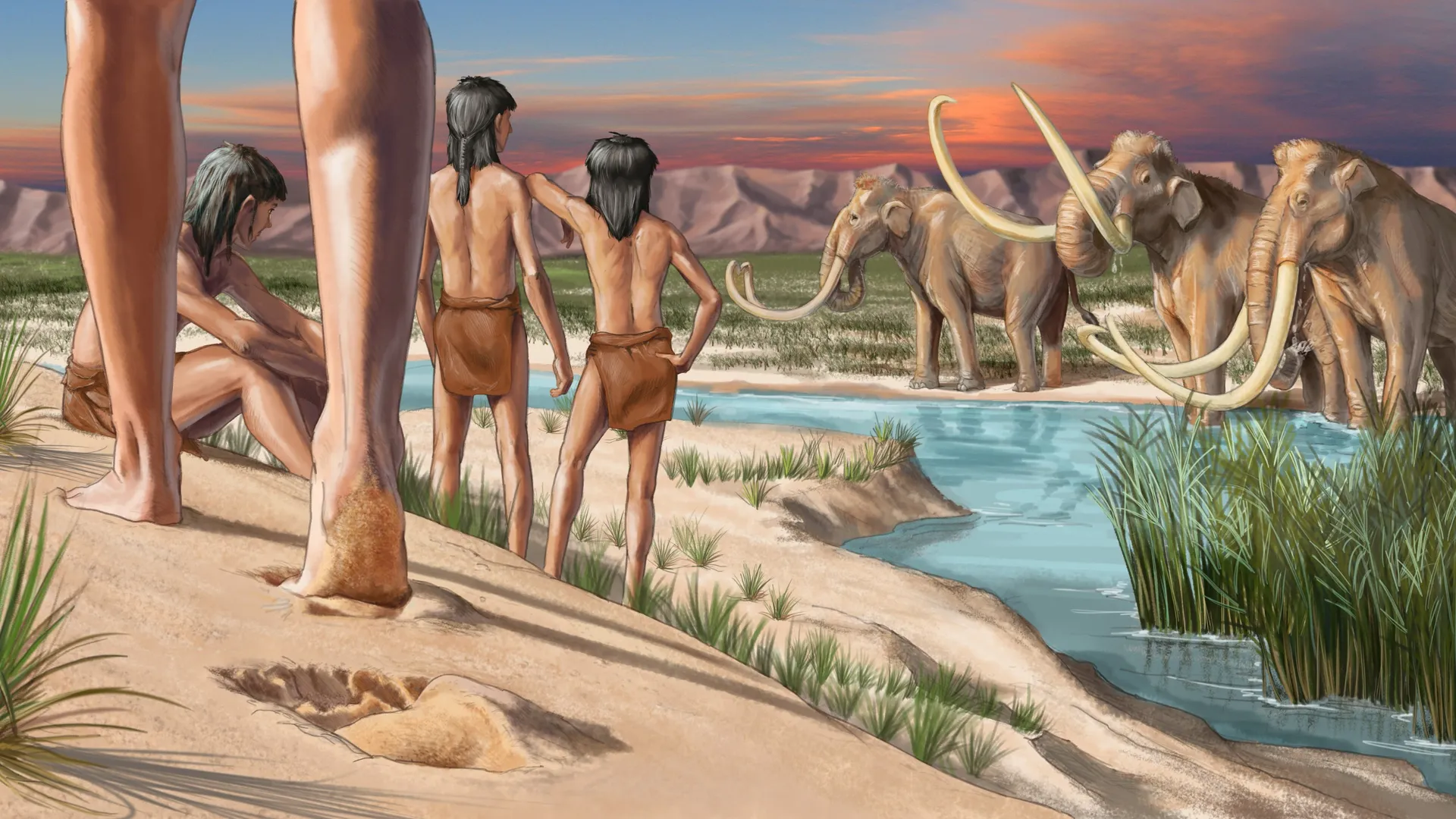
A new study published Wednesday (Oct. 14) in the journal Science Advances suggests some of the first people in North America lived through extreme climate change at the peak of the last ice age. Researchers studied ancient pollen locked in rocks at White Sands National Park in New Mexico, which houses an archaeological site thought by some to contain the oldest human footprints in the Americas.

One of America’s largest meteor craters is around 100 million years younger than scientists thought, which means the ancient impact coincided with — and potentially contributed to — one of the biggest global extinction events in Earth’s history, according to a new study published July 7 in the journal Meteoritics and Planetary Science.

The Bering Land Bridge formed 35,000 years ago, eventually disappearing under rising sea levels around 12,000 years ago. But the humans and creatures who inhabited the territory have left behind plenty of archaeological evidence of their presence. The article titled “Highlights from an early base camp in Beringia 13,800 years ago: Shég’ Xdaltth’i’ and the Late Pleistocene Peopling of Alaska” appears in Science Advances.

Two researchers may have opened floodgates on the debate over why humans can run marathons, swim the English Channel or dive a hundred meters and back on a single breath, and their ape cousins can’t. Humans evolved endurance for feats like these not just by running down prey on the African savanna, but also by diving for food in lakes or coastal waters, the duo proposed in PaleoAnthropology on September 17.

A recent study found that rapid-acting antidepressants like ketamine and psychedelics may relieve depression by regulating specific immune system pathways in the body and brain. The research suggests that rebalancing a precise set of immune signaling molecules can predict how well a patient will respond to treatment. These findings were published in the journal Molecular Psychiatry.

Exclusive: Finds suggest account in medieval folklore of a camp near Frenni Fawr hill was rooted in reality

Intense flash of radio waves is more than 10bn years old and has travelled through ‘approximately 80% of cosmic history’

Home decorating isn’t unique to Homo sapiens. More than 40,000 years ago, bands of Neanderthals turned a spacious rock shelter in the mountains of Spain into a cozy home, fashioning wood into tools and windbreaks and burning it for heat and light. That picture comes from a first-of-its-kind trove of Neanderthal wooden artifacts from a domestic space, found at a cliffside site called Abric Romaní, 50 kilometers west of Barcelona. The research was published 7th Oct in Science Advances.

A new study on ancient food production in tropical Belize, co-led by the University of New Mexico and published in Communications Earth & Environment, provides evidence that people in the Maya-speaking region were dedicated farmers thousands of years before the first large villages emerged.

A team of researchers from Sivas Cumhuriyet University in Turkey is investigating a long-standing claim that a boat-shaped geological formation in the country’s east contains the remains of Noah’s Ark.
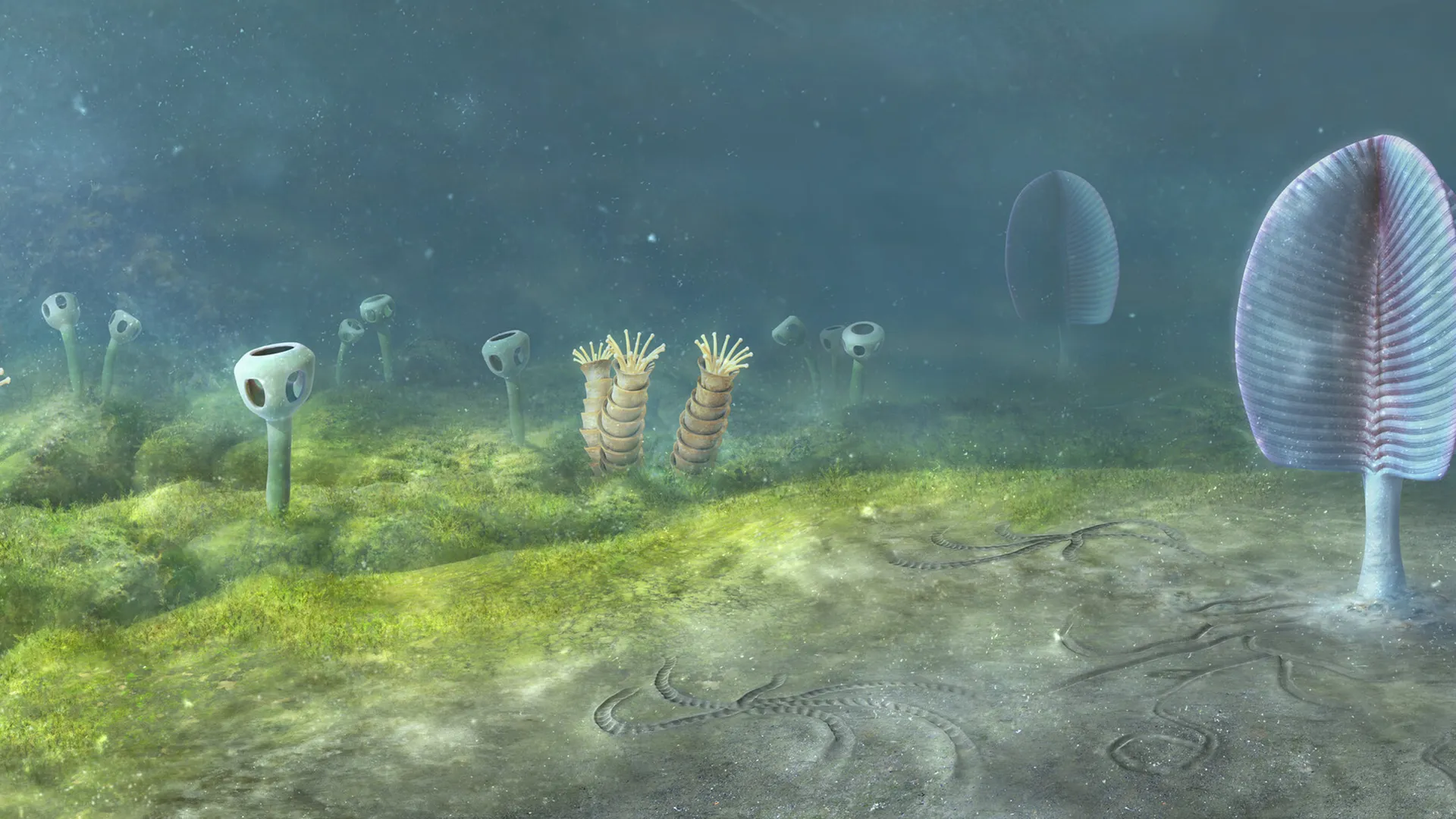
After using a technique called molecular clock analysis, researchers have proposed that the origin of animals could be 200 million years earlier than thought. The study was published Friday (Oct. 2) in the journal Science Advances.

Court officials and craftspeople serving early Egyptian kings may have been sacrificed when their ruler died, according to research that found fractures in several ancient skulls. The research was published in the journal Frontiers in Environmental Archaeology.

Deep in Peru’s Acarí Valley lie the ruins of Tambo Viejo, an Inka provincial center where excavations have uncovered tasseled sacrificial llamas and brightly adorned guinea pigs. But save for a few seeds and some stored leaves, evidence of how the Inka used one of their most sacred plants in rituals remained elusive. Now, archaeologists have discovered coca leaves still stuck in the wool of some sacrificed llamas. The discovery, reported in the journal Ñawpa Pacha, is the first direct evidence of coca in a ritual at the site. It contradicts what Spanish chroniclers reported hundreds of years ago: that coca was burned or bundled up during ritual offerings.

A new study of the available genetic evidence suggests the group that gave rise to today’s Indigenous people migrated to the Americas no earlier than 21,000 years ago. “The evidence points to the arrival of humans ancestral to contemporary Indigenous peoples likely near the end of the Last Glacial Maximum, but earlier migrations may also have occurred,” study co-authors… The study was published online Sept. 23 in the journal Current Opinion in Genetics & Development,
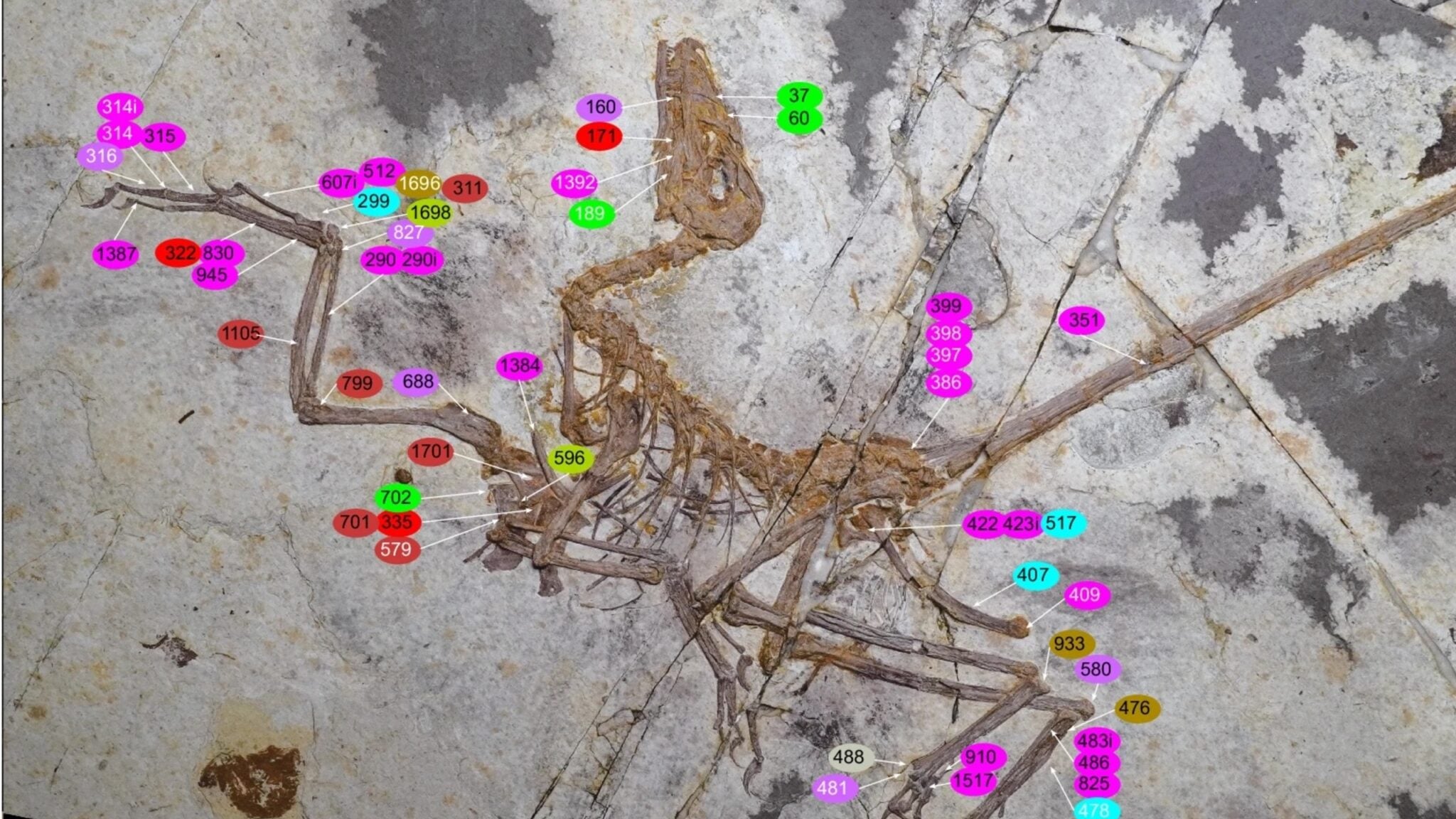
Close analysis of this remarkably detailed fossil suggests the evolutionary path to flight may be far more forked than we thought. Norellraptor is described in a new paper by paleontologist Xuri Wang of the Chinese Academy of Geological Sciences and his colleagues. The paper is published in Nature Communications.
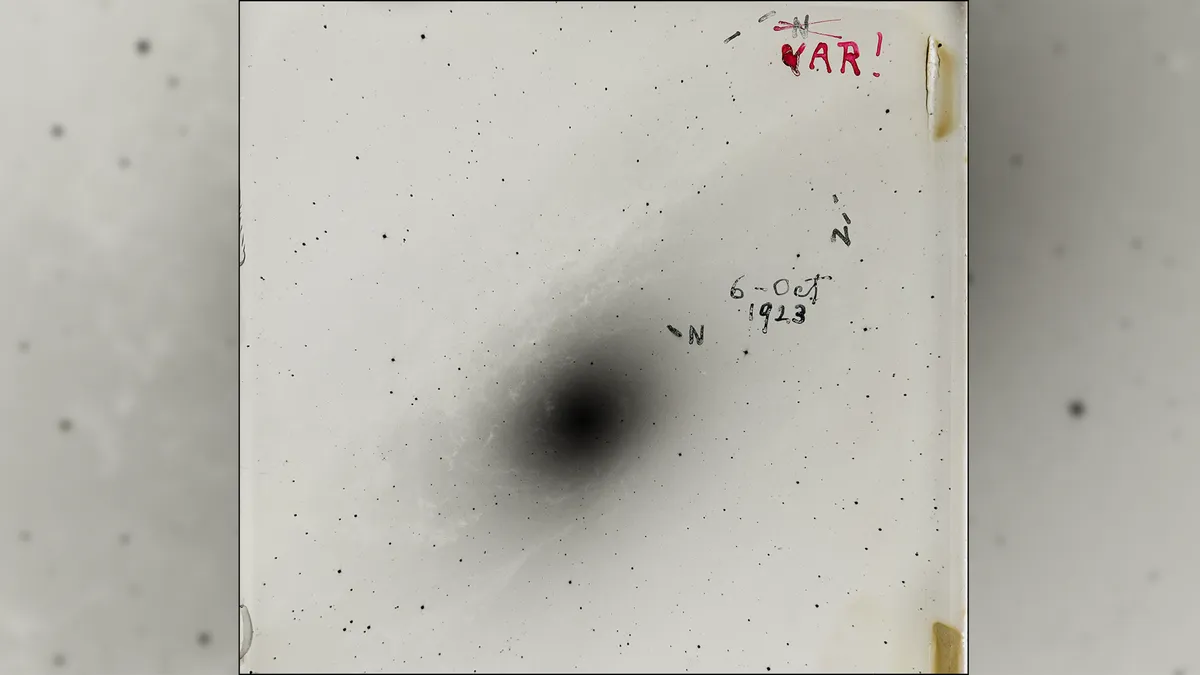
After months of searching with the Earth’s most powerful telescope, a single star showed us the true scale of the universe.
War God: Night of Sorrows
Get your copy of War God: Vol III


Magicians of the Gods
Get your copy of Magicians of the Gods: